
Reducing Post-Op Complications Through Structured Remote Monitoring
Bariatric surgery is a life-changing intervention, but the procedure itself is only one part of a patient’s journey. The post-operative period carries real clinical risk, and many complications that lead to readmissions or adverse outcomes are, with the right support structures in place, preventable. For clinics looking to strengthen their post-surgical care model, structured remote patient monitoring (RPM) offers a practical and evidence-informed path forward.
Why the Post-Op Window Matters So Much
The first 90 days after bariatric surgery are widely recognized as a high-stakes period. Patients are navigating significant dietary changes, healing from a major procedure, and adjusting to a new physiological reality. Common post-operative concerns include dehydration, nutritional deficiencies, wound issues, and the early signs of dumping syndrome or anastomotic complications. Many of these issues surface gradually, in the quiet moments between clinic visits, where traditional care models have limited reach.
According to the American Society for Metabolic and Bariatric Surgery (ASMBS), ongoing follow-up care and patient engagement are essential components of long-term success after bariatric surgery. The challenge for most clinics is operationalizing that follow-up at scale, without overwhelming already stretched care teams.
How Structured Remote Monitoring Closes the Gap
RPM platforms like Taqtik Health are designed to extend your clinic’s presence into patients’ daily lives in a structured, clinically meaningful way. Rather than relying solely on scheduled appointments or patients self-reporting concerns, a well-designed RPM program creates regular touchpoints where patients log symptoms, track weight and dietary intake, and respond to guided check-in prompts. This consistent data stream gives your care team a much clearer picture of how each patient is progressing between visits.
When a patient’s responses suggest something worth investigating, your team is notified promptly. That early signal can mean the difference between a quick phone call and an emergency visit. For clinics, this kind of structured oversight supports better clinical decision-making and helps document the ongoing care being delivered, which is increasingly relevant as CMS reimbursement frameworks for remote patient monitoring continue to evolve and mature.
Supporting Patients While Protecting Your Team’s Time
One concern clinics often raise is whether RPM adds workload rather than reducing it. A thoughtfully built platform addresses this directly. Taqtik Health is designed so that routine monitoring runs in the background, with alerts and escalations surfacing only when clinical attention is genuinely needed. Your team isn’t reading through hundreds of uneventful check-ins; they are focused on patients who need them most.
Beyond complication prevention, structured remote monitoring reinforces the sense of community and accountability that research consistently links to better weight-loss outcomes. The Mayo Clinic notes that ongoing support and accountability are among the most important factors in sustaining weight loss after surgery. When patients feel connected to their care team, they are more likely to stay engaged, report concerns early, and follow through on post-operative guidelines.
Building a More Responsive Post-Surgical Program
Clinics that invest in structured remote monitoring are not simply adding a technology layer. They are building a more responsive, continuous care model that reflects the genuine complexity of post-bariatric recovery. Patients feel supported. Care teams gain visibility. And the clinic develops a stronger foundation for catching problems before they escalate.
If your clinic is already using Taqtik Health or exploring what a structured RPM program could look like for your patient population, we invite your administrators and clinical leads to log in to the clinic portal to review your program settings, patient activity, and available features. Our team is here to help you build a post-operative monitoring approach that works for your practice and the patients who trust you with their care.

How Remote Patient Monitoring Helps Bariatric Clinics Deliver Better Care
Remote patient monitoring is changing the way bariatric clinics support patients after surgery. Here is how RPM can strengthen your program, improve patient outcomes, and keep your team connected to the people who need you most.Continue reading→

Reducing Post-Op Complications Through Structured Remote Monitoring
Post-operative complications remain one of the greatest challenges in bariatric care. Structured remote patient monitoring gives your clinic a practical way to stay connected with patients during the weeks that matter most.Continue reading→

What Bariatric Clinics Should Look for in a Remote Patient Monitoring Platform
Choosing the right RPM platform can transform how your bariatric clinic supports patients after surgery. Here is what to prioritize when evaluating your options.Continue reading→
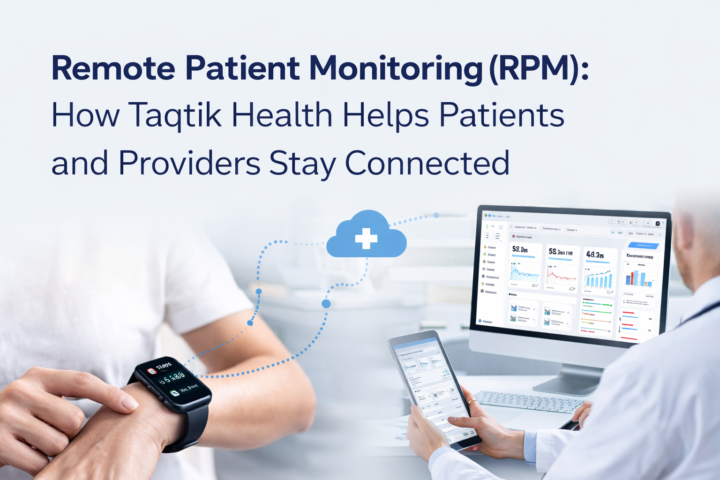
Remote Patient Monitoring (RPM): How Taqtik Health Helps Patients and Providers Stay Connected
Remote Patient Monitoring (RPM) is changing how healthcare providers support patients between visits. By using secure digital tools, RPM allows care teams to monitor patient progress remotely, improve engagement, and reduce administrative workload. Taqtik Health offers a modern Remote Patient Monitoring platform designed to support healthcare programs with simple onboarding, clear progress tracking, and secure...Continue reading→
Taqtik Health RPM: Your Partner in Post-Bariatric Surgery Success
At Taqtik Health, we understand that bariatric surgery is a powerful step toward a healthier, more fulfilling life. But we also know that the journey doesn’t end in the operating room. The real challenge and the real transformation happens in the months and years after your procedure. That’s why we created Taqtik Health Remote Patient...Continue reading→