
Remote Patient Monitoring (RPM): Revolutionizing Postoperative Care for Bariatric Surgery

The Emotional Side of Weight Loss Surgery: Why Mental Health Matters for Long-Term Success
Weight loss surgery changes more than your body. Understanding the emotional journey ahead can make a real difference in your long-term recovery and wellbeing.Continue reading→

Building Sustainable Habits in Your First Year After Bariatric Surgery
The first year after bariatric surgery is a powerful window for lasting change. Here is how to build habits that support your health for the long run.Continue reading→

GLP-1 Medications and Monitoring: What Weight-Loss Patients Should Know
GLP-1 medications are changing how many patients approach weight loss, but knowing how to track your progress and stay safe is just as important as the medication itself. Here is what you need to know.Continue reading→

Remote Patient Monitoring for Weight Loss: Support for Bariatric Patients and GLP-1 Users
Obesity is not just about losing weight, it is about keeping it off long term. Whether you are preparing for bariatric surgery, recovering after surgery, or using GLP-1 medications, staying consistent is the biggest challenge. That is where Remote Patient Monitoring (RPM) comes in. At Taqtik Health, we use wearable technology and real-time data to...Continue reading→

Remote Follow-Up Programs and Long-Term Weight Loss | Why Monitoring Matters
Long-term weight loss is one of the most difficult outcomes to sustain in healthcare. While many patients achieve short-term success through surgery, medication, or structured diet programs, relapse and weight regain remain common once formal treatment ends. Research increasingly shows that the absence of structured long-term follow-up is one of the main reasons weight loss...Continue reading→
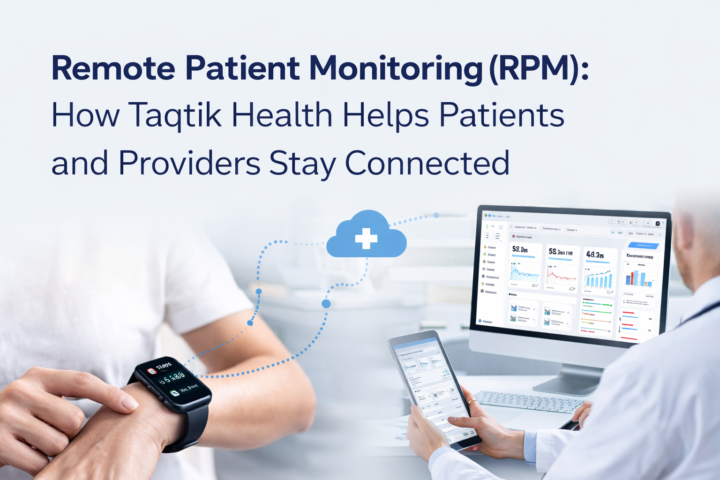
Remote Patient Monitoring (RPM): How Taqtik Health Helps Patients and Providers Stay Connected
Remote Patient Monitoring (RPM) is changing how healthcare providers support patients between visits. By using secure digital tools, RPM allows care teams to monitor patient progress remotely, improve engagement, and reduce administrative workload. Taqtik Health offers a modern Remote Patient Monitoring platform designed to support healthcare programs with simple onboarding, clear progress tracking, and secure...Continue reading→
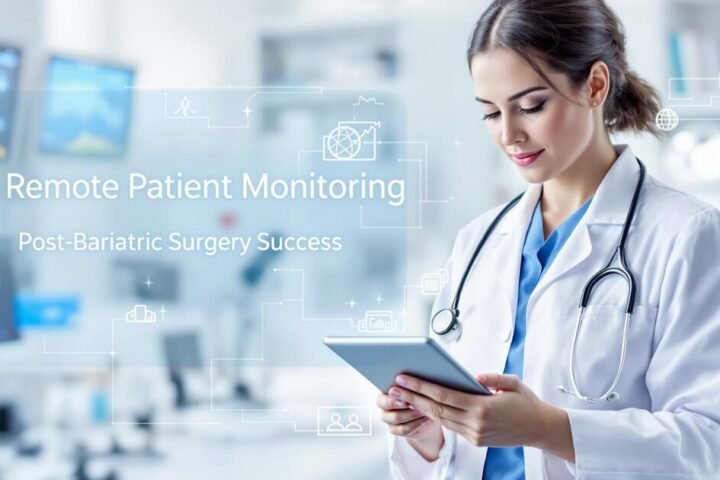
Taqtik Health RPM: Your Partner in Post-Bariatric Surgery Success
At Taqtik Health, we understand that bariatric surgery is a powerful step toward a healthier, more fulfilling life. But we also know that the journey doesn’t end in the operating room. The real challenge and the real transformation happens in the months and years after your procedure. That’s why we created Taqtik Health Remote Patient...Continue reading→

Post-Bariatric and GLP-1 Post-Care to Maximize Results
Post-Bariatric and GLP-1 Post-Care to Maximize Results | Taqtik Health Introduction Undergoing bariatric surgery or starting GLP-1 (glucagon-like peptide-1) agonist treatments like semaglutide (Ozempic, Wegovy) or tirzepatide (Mounjaro, Zepbound) is a major step toward long-term weight loss and improved metabolic health. But these treatments are only part of the journey. What you do after surgery...Continue reading→

Remote Patient Monitoring for Obesity: A Smarter Way to Support Surgical and Non-Surgical Patients
Losing weight and improving your health is a personal journey—and it doesn’t always require surgery. Whether you're preparing for bariatric surgery, recovering from it, or trying to manage your weight and health without surgery, one thing remains constant: support matters. At Taqtik Health, we believe long-term success comes from daily progress, consistent accountability, and expert...Continue reading→
How Remote Patient Monitoring (RPM) Supports Bariatric Surgery and Diabetes Care
Remote Patient Monitoring for Bariatric Surgery and Diabetes Management Choosing bariatric surgery or committing to better diabetes management is a life-changing decision—and it’s just the start of your journey to a healthier, happier you. Whether you’re preparing for surgery, healing afterward, or working to manage diabetes, having the right support makes all the difference. That’s...Continue reading→